For many of us, aircraft noise is barely a passing thought: We might hear planes taking off and landing as we approach an airport to go to work or catch our next flight, but never think much of it.
But for those who live near an airport, aircraft sounds can permeate far more deeply into daily life, and they can be disruptive. However, the situation is complex — planes must fly, yet our communities’ noise concerns are legitimate.
Our very own owner and principal, Katie Franco, knows this as well as anyone. She has spent years helping airports develop community outreach programs that do more than respond to concerns: They create ongoing relationships. For us, the goal isn’t simply better noise monitoring or fewer complaints. It’s better communication.
Indeed, that philosophy is at the heart of our work with San Bernardino International Airport (SBD), where we helped develop the Good Neighbor Program. Our airport noise program was designed to help the airport both educate and learn from the community, creating two-way channels for information and feedback. The same goes for the Friendly Approach Program, developed for Half Moon Bay Airport (HAF) and San Carlos Airport (SQL) in the busy San Francisco Bay area.
Both the Good Neighbor Program and the Friendly Approach Program are models that offer a useful lesson for airports everywhere: You don’t build trust by talking at the community. You build it by talking with them.
An Airport Noise Program Is About More Than Noise
An airport noise program should focus on aircraft noise complaints, of course. But we believe the approach starts a little earlier, with the relationship between the airport and the community.
Airports are constantly changing. New flights arrive, aircraft operations shift, construction projects begin and end, cargo activity increases, and new tenants begin operating. Those changes can bring significant benefits to a region, but they can also raise questions for nearby residents.
We created the Good Neighbor Program and the Friendly Approach Program with that in mind. Each program’s purpose isn’t limited to aircraft noise. They provide information about airport activity, operational changes, and developments while giving community members a way to provide feedback, both positive and constructive.
Starting the Conversation Before There’s a Problem
One of the strongest tenets in the Aviatrix approach to airport community relations is proactive communication. If you only communicate when something has gone wrong, your conversation is already happening on difficult terms.
Instead, successful airport noise outreach gives our communities regular opportunities to explain what’s happening, answer questions, and help people understand what they’re hearing and seeing.
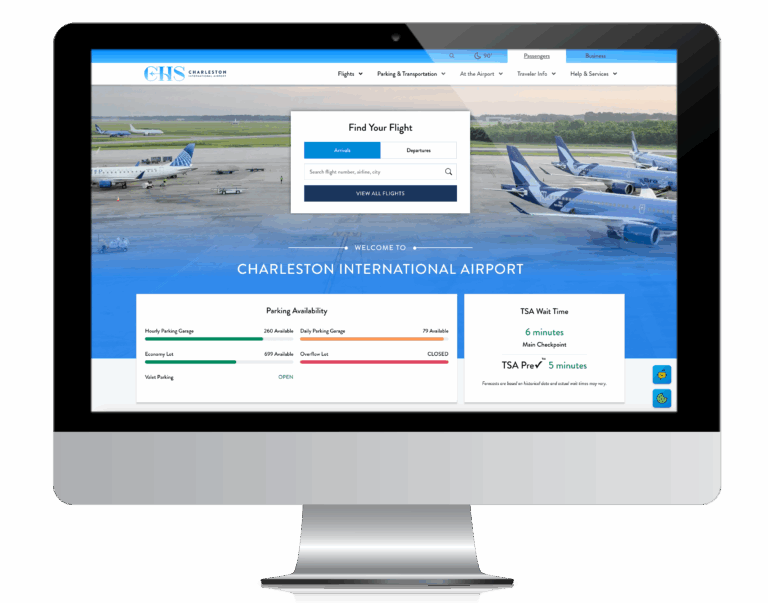
That’s part of what makes the Good Neighbor Program and the Friendly Approach Program so impactful. They provide community education and outreach through their websites, newsletters, and social media, along with presentations, media outreach, and regular reporting.
They also offer dedicated phone lines and online feedback forms. These individual conversations let residents vent frustrations and ask questions directly to a subject-matter expert. San Mateo County has seen measurable decreases in repeat comments from neighbors after they learn what the airport can and cannot do to address aircraft noise.
Ultimately, communication here isn’t an afterthought; it’s the whole program. And that consistency builds trust.
When Noise Complaints Do Happen
When it comes to how airports manage noise complaints, how you listen matters just as much as talking. The Good Neighbor Program and the Friendly Approach Program make it easy for neighbors to share concerns about airport and aircraft operations.
But collecting a complaint is only the first step.
For example, SBD logs, reviews, analyzes, and maps flight-operation concerns. Comments are incorporated into regular reporting, allowing airport staff and the San Bernardino International Airport Authority to identify trends and better understand where concerns are occurring. Those reports are also made available to the public.
This all creates something far more useful than a figurative complaint box. It creates a feedback loop: A neighbor speaks up. The airport listens. The information is analyzed. The community can see what’s being reported. And the conversation continues.
An Airport Noise Program Is Really a Conversation
A successful airport noise program doesn’t promise that an airport will never be heard. It promises something far more realistic: that the community will be heard, too.
That’s the philosophy we have helped put into practice through the Good Neighbor Program and the Friendly Approach Program.
The results speak to the value of this airport noise communication approach.
Our work on the SBD Good Neighbor Program earned the Airports Council International–North America award for Best Overall Public Relations Program in the small airports category. But the infrastructure behind the award is perhaps more meaningful. It’s a program that gives neighbors information, gives the airport a way to listen, and gives both sides a place to keep talking.
As the Aviatrix team demonstrates through our work, this isn’t about finding a perfect answer to every airport noise mitigation concern. It’s about creating community and building trust, while giving residents a reliable source to turn to when they have questions. When that happens, it’s not just plane noise. It’s about turning down the volume of frustration and turning up the volume on conversation.