
Airport Noise Programs

Turning Community Concerns into Conversations That Build Trust

Aircraft noise is a reality of airport operations, but how airports communicate with their surrounding communities can make all the difference. Aviatrix Communications helps airports develop proactive noise communication programs that educate residents, encourage meaningful feedback, and build lasting community trust.

Our approach goes beyond managing noise complaints. We create opportunities for airports and their neighbors to listen, learn, and communicate openly about airport activity, operational changes, and community concerns.

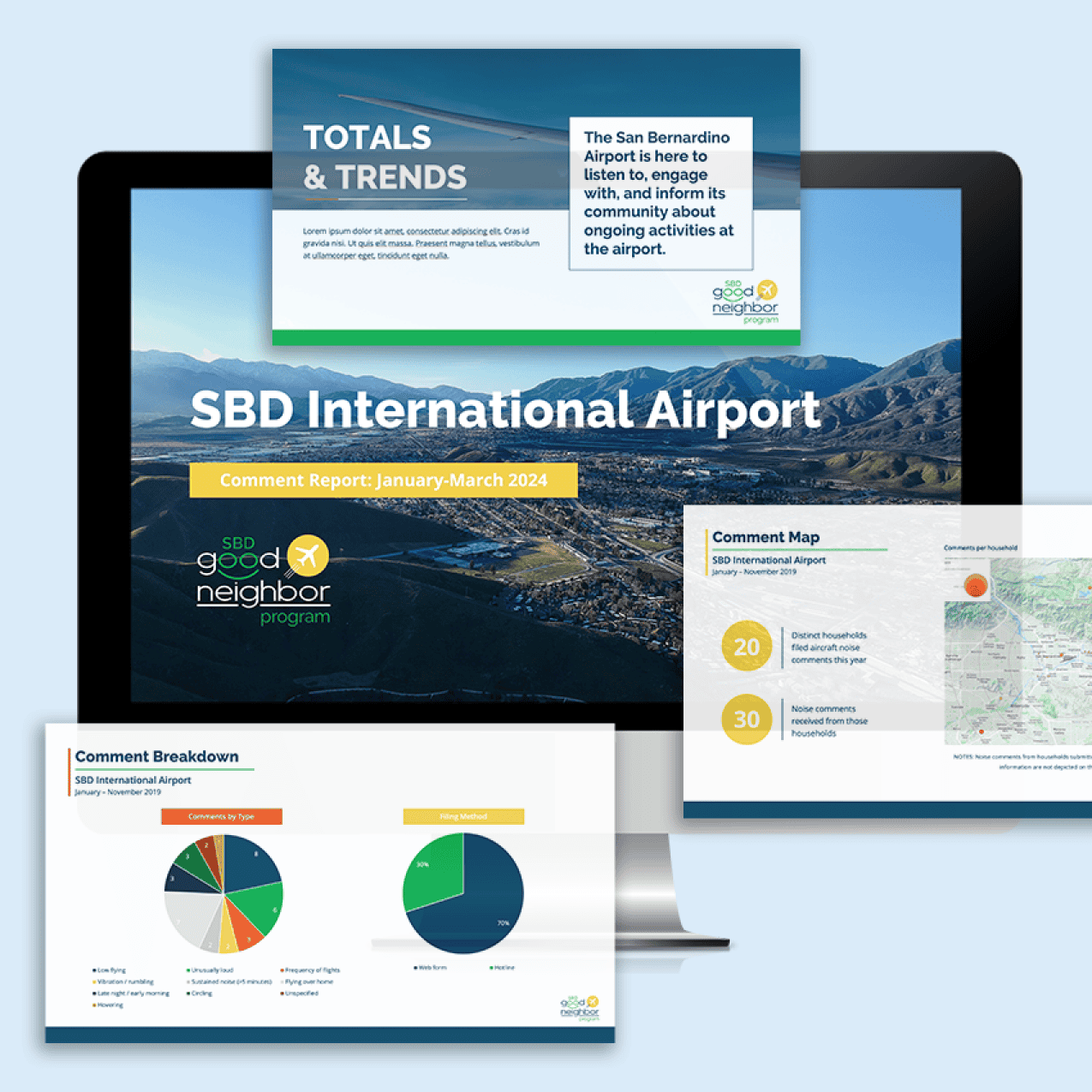
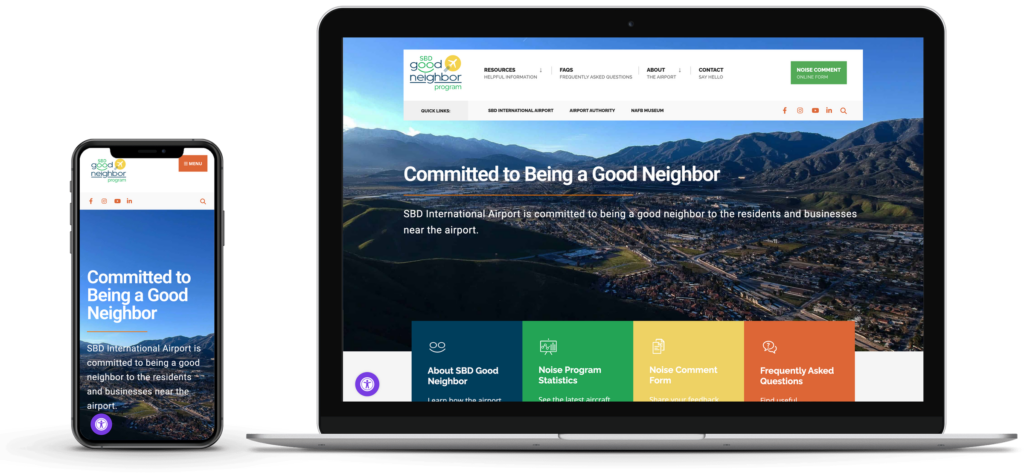
SBD International Airport noise comment report and website mockup by Aviatrix Communications

Proactive Communication. Stronger Community Relationships.

Effective airport noise programs start before concerns arise. Through strategic outreach and accessible communication channels, we help airports establish themselves as reliable, responsive resources for their communities.

Our noise program services can include:

Community Education & Outreach

Develop straightforward, transparent information about airport operations, aircraft activity, and operational changes.

Noise Program Branding & Digital Communications

Create dedicated program websites, newsletters, and social media content that keep residents informed.

Community Feedback & Complaint Management

Establish dedicated phone lines and online feedback forms that make it easy for residents to share questions and concerns.

Noise Complaint Tracking & Reporting

Support the logging, analysis, and mapping of noise-related feedback to help airports identify trends and better understand community concerns.

Stakeholder Engagement & Public Relations

Coordinate presentations, media outreach, and ongoing communications that foster transparency and two-way dialogue.

Ongoing Program Communications

Develop regular reporting and educational content that closes the feedback loop and demonstrates that community input is heard.

A Proven Approach to Airport Community Relations

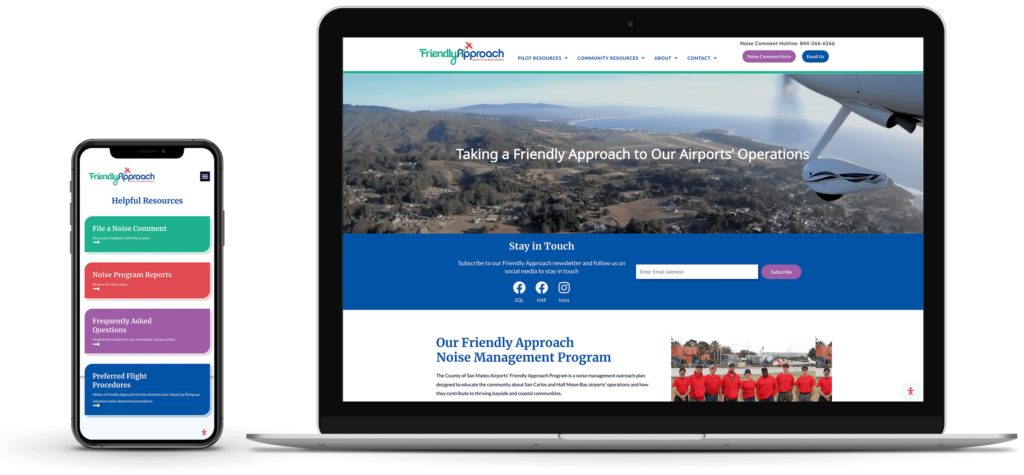
Aviatrix has helped airports put community-focused noise communication into practice through programs such as the Good Neighbor Program at San Bernardino International Airport (SBD) and the Friendly Approach Program at Half Moon Bay Airport (HAF) and San Carlos Airport (SQL).

These programs demonstrate how consistent outreach, accessible information, and meaningful opportunities for feedback can strengthen relationships between airports and their neighbors. For example, the Good Neighbor Program at SBD earned Airports Council International–North America recognition for Best Overall Public Relations Program in the Small Airports category, reflecting the value of a thoughtful, community-centered approach.

Build Trust Beyond the Runway

Together, we can help your airport take meaningful steps to ensure its community is heard. Aviatrix helps airports turn noise concerns into opportunities for education, transparency, and stronger relationships, creating communication programs that serve both airport operations and the communities surrounding them.

Let's start the conversation.

Contact Aviatrix Communications to develop a noise communications program tailored to your airport and community.

Airport Noise Programs: Common Questions

Why should an airport communicate proactively about aircraft noise?

The conversation goes better before the complaints start. Neighbors who understand what's flying overhead, and why, are more likely to see the airport as a reliable resource than an adversary. At San Bernardino International Airport, firefighting aircraft, sheriff helicopters, air cargo, and general aviation all share the skies, and the SBD Good Neighbor Program was built to explain those operations and, just as importantly, to hear back from the people who live and work nearby.

What makes Aviatrix Communications uniquely qualified for airport noise programs?

We've launched noise programs from scratch and rebuilt existing ones. For San Bernardino International Airport, we created the Good Neighbor Program's brand, outreach strategy, website, presentation templates, and key messages, and the program went on to win ACI-NA's Best Overall Public Relations Program award in the small airports category. We still support it today. For the County of San Mateo Airports, we revamped an existing noise program into Friendly Approach, which serves Half Moon Bay and San Carlos airports.

What does an airport noise program include?

It's built around your community, but it usually starts with a recognizable program brand and a dedicated website, then adds the channels residents actually use: newsletters, social media, email alerts, presentations, and media outreach. Friendly Approach, for example, pairs a quarterly newsletter with email alerts that let subscribers know about time-sensitive aviation activity. Behind the public side sit the feedback tools, like a dedicated phone line and an online form, and the regular reporting that shows residents their input was heard.

How does Aviatrix help airports manage noise complaints?

By making them easy to submit and useful once they arrive. We set up dedicated phone lines and online feedback forms so residents know exactly where to go. Then we support logging, analyzing, and mapping that feedback, so your team can spot trends by neighborhood or time of day instead of reading complaints one at a time. Regular reporting closes the loop. At SBD, that includes quarterly reports to the Airport Authority Board.

Should an airport noise program reach pilots as well as neighbors?

Yes. Pilots shape the noise picture as much as anyone, and they need the tools to be good neighbors too. Friendly Approach gives pilots at Half Moon Bay and San Carlos airports easy-to-find resources, including preferred flight procedures, FAQs, and informational videos. The program's messaging also reminds both audiences why the airports matter: they create jobs, help move goods and materials, and support emergency services. Education on both sides of the fence makes for a more productive conversation.